BLOCKING AND BRUSHING
Blocking and brushing are finishing operations applied to components. These treatments generally affect the surfaces that remain visible within the movement..
Using highly precise fixtures, polishing compounds, and repeated friction, these surfaces become true mirrors. Screw heads, bearing plates, pivot tips, or bearing surfaces—the challenge is not so much the polishing itself, but holding the part in place.
Due to their small size or special shapes, conical parts are often the most difficult to position flat.
Additionally, after the operation, the refined and polished surfaces add an extra challenge when releasing and cleaning the parts.
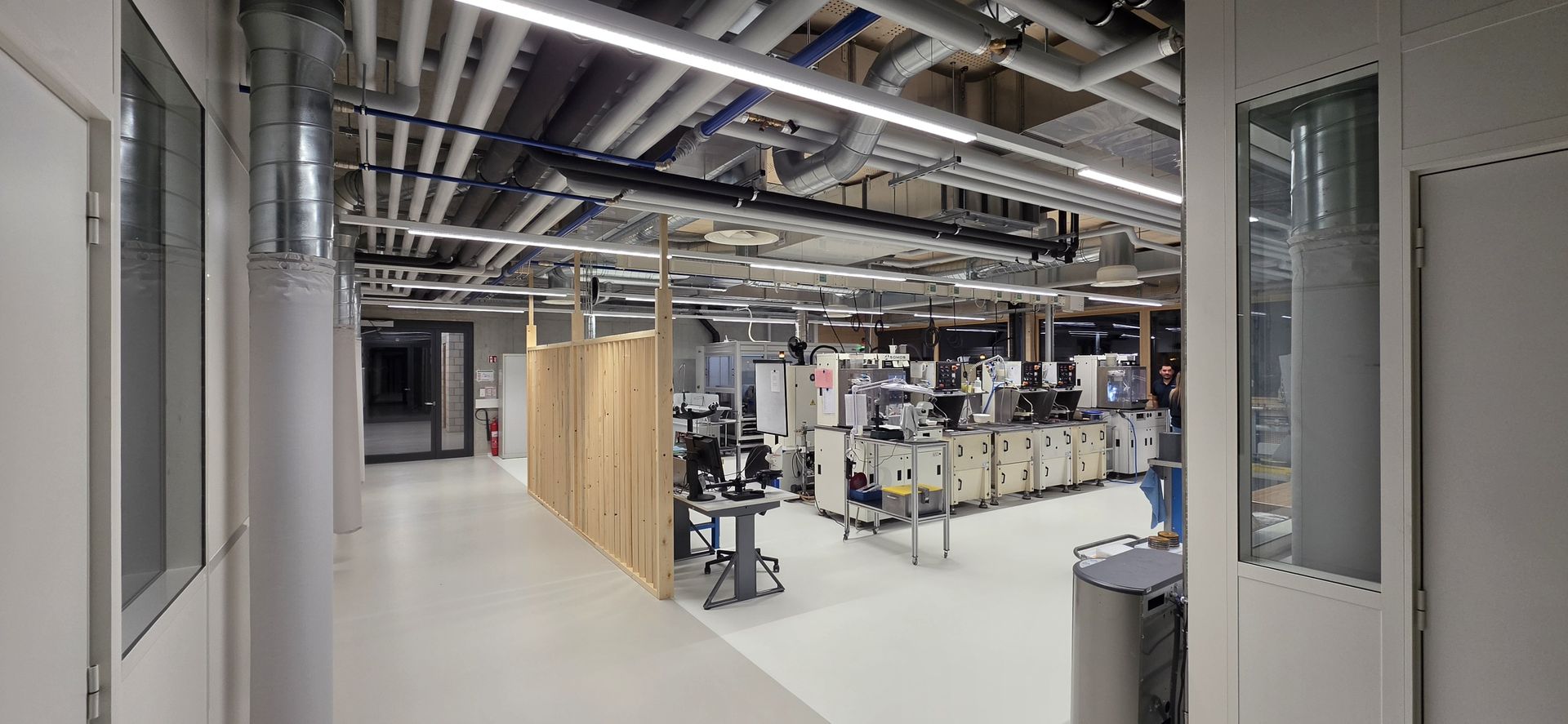
MASS POLISHING
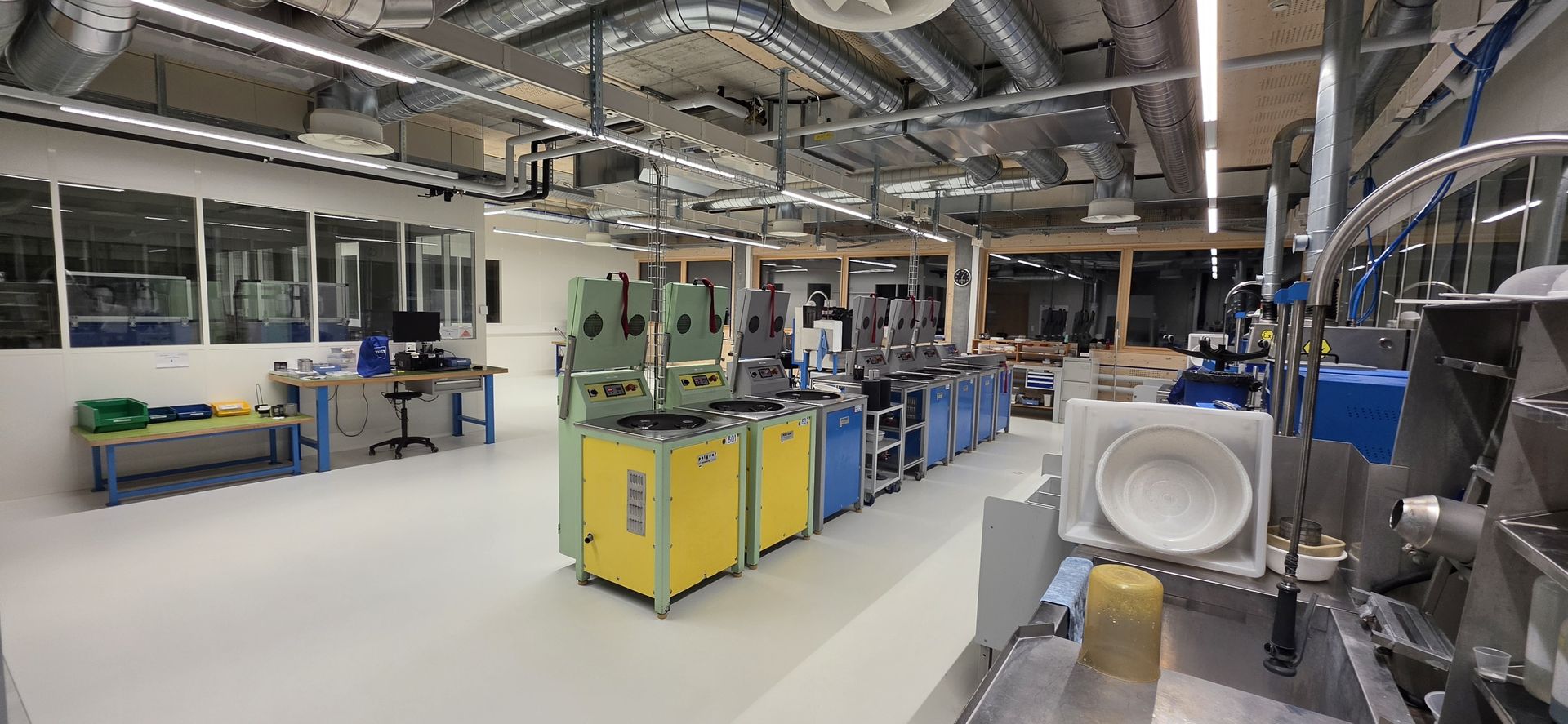
Just like sandblasting, mechanical polishing—performed in satellite-type centrifugal machines (mechano-chemical polishing, vibratory finishing, electrolytic polishing, barrel polishing)—is a deburring and finishing operation applied to all parts of the component.
Nothing is too good when aiming for such high standards of craftsmanship.
Using various media, called carriers, which are charged with diamantine powder, our parts—previously heat-treated for hardening—rub against these carriers to polish their surfaces and make them as smooth and shiny as possible.
A polished finish reduces friction and helps preserve energy, thereby extending the movement’s power reserve.
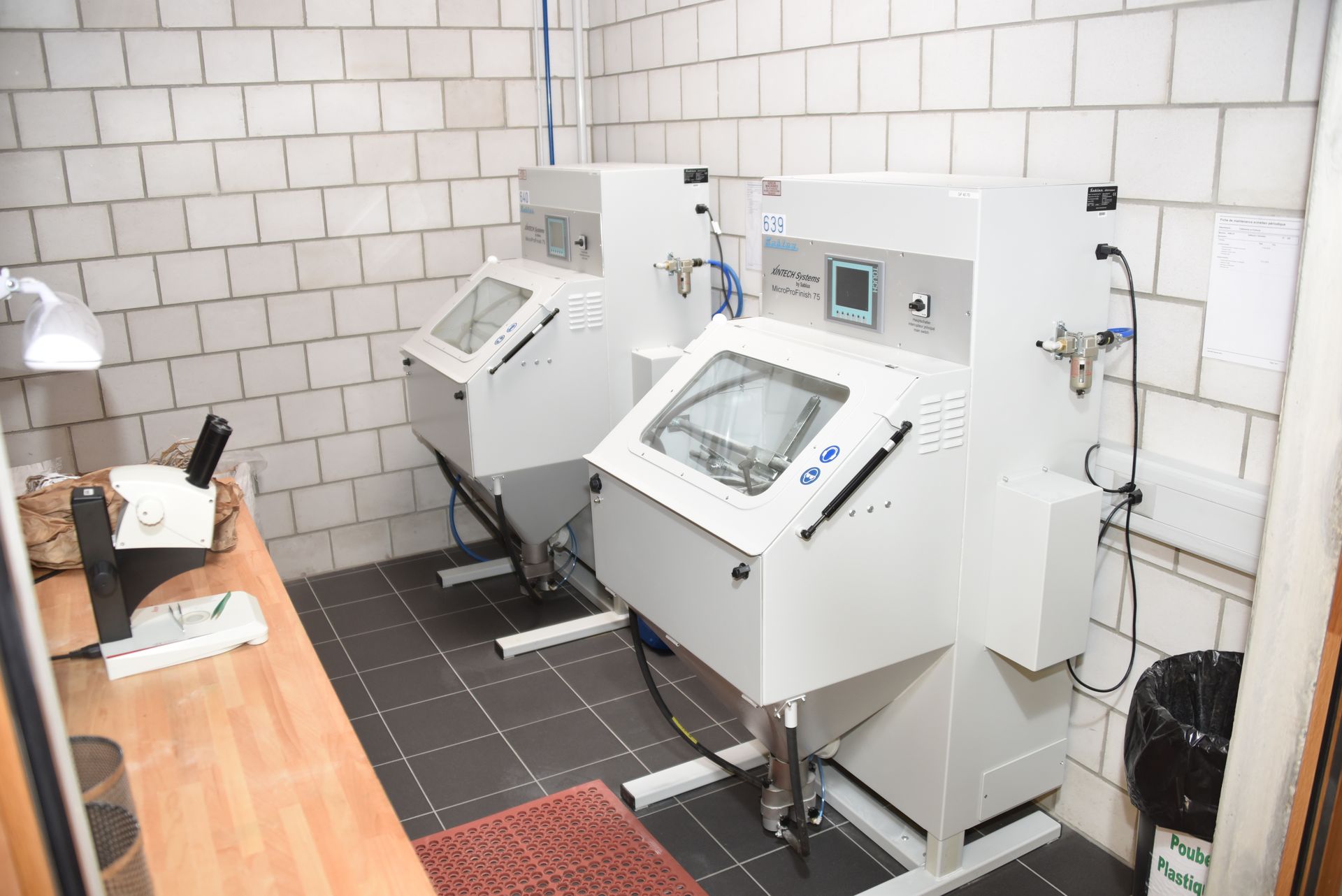
SANDBLASTING AND DEBURRING
Sand, hard as diamond, is an excellent medium for attacking surfaces. It is used to treat the stone frontages of our beautiful city centers.
It is also used by metalworkers to strip surfaces before painting. Nothing resists sand!
This is why Joray-Wyss mainly uses it to even out a surface, remove machining burrs in hard-to-reach areas, and ultimately perfect a beautifully crafted component.
QUENCHING, STRUCTURAL HARDENING, TEMPERING
Heat treatment, depending on the material and the desired result, aims to modify the molecular structure of the component.
Its primary purpose is either to make the part harder—and therefore more resistant to friction—or to stabilize its condition.
More broadly, this metallurgical science plays a key role in ensuring the proper functioning of watch movements.
We measure hardness using a durometer. A hardness certificate confirms that the treatment has been correctly performed for each processed batch.